Mexico Rural Clinics Diagnose Cervical Cancer Months After HPV Testing Machines Arrive
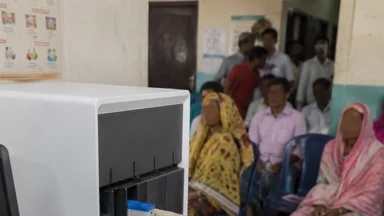
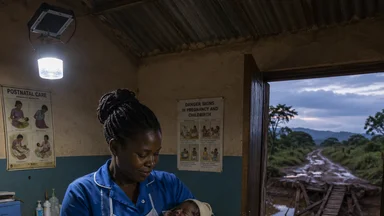
In the Mixteca region of Oaxaca, one of Mexico's poorest states, sixteen HPV testing machines arrived last year at rural clinics. The machines were part of a federal push to reduce cervical cancer, which kills roughly 4,000 Mexican women annually. But nearly a year later, many women still wait four to six months for their test results. By the time a positive result reaches a patient, the virus may have progressed, and the window for simple treatment has narrowed. This gap between equipment delivery and actual diagnosis illustrates a stubborn reality: technology alone does not close the access gap.
Machines Arrive, but Results Stall in Oaxaca
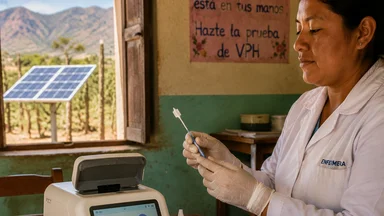
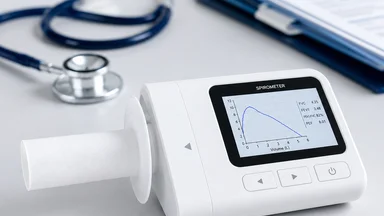
The sixteen units—battery-powered, tabletop devices capable of detecting high-risk HPV DNA from a cervical swab—were distributed to clinics in the Mixteca, a mountainous region where many communities lack paved roads. The World Health Organization recommends that women with a positive HPV test receive treatment within one month. In Oaxaca, that timeline stretches to four months or more.
“We have the machines, but we don't have the system to get results back quickly,” says a nurse at a health center in Tlaxiaco, who asked not to be named due to fear of reprisal. Samples are collected at the clinic, then shipped to a centralized lab in Oaxaca City, a journey that can take weeks when rains turn roads to mud. The lab processes batches of tests, but paper-based record keeping means results often get lost or delayed.
A 2023 study in the journal Salud Pública de México found that in Oaxaca, only 40% of women who screened positive for HPV returned for follow-up within six months. The WHO's 90-70-90 targets for cervical cancer elimination—90% of girls vaccinated, 70% of women screened, 90% of those positive treated—remain distant. In the Mixteca, the treatment cascade breaks at the first step.
The machines themselves are not the problem. The careHPV test, prequalified by WHO in 2013, has sensitivity above 90% for detecting high-grade cervical lesions. But when results take months, the test's clinical value erodes. Women move, change phone numbers, or simply lose trust in a system that asks them to wait.
Why a Simple Swab Becomes a Multi-Month Ordeal
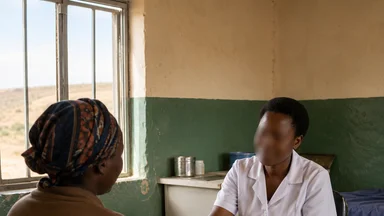
The journey of a cervical swab in Oaxaca begins at a rural clinic, often staffed by a single nurse. The sample is placed in a transport medium, packed in a cooler, and handed to a bus driver or a courier who travels to Oaxaca City—a trip that can take a full day from remote villages. During the rainy season, from June to October, landslides close roads for days at a time.
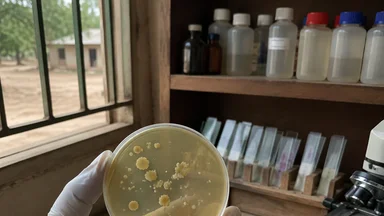
At the centralized lab, samples are logged by hand into a paper register. The lab processes HPV tests in batches, running the machine once a week or less. Results are typed on paper forms and mailed back to the clinic. There is no electronic health record system to flag overdue results or send automatic reminders. In a 2022 audit by the Mexican Institute of Social Security, nearly 15% of HPV test results from rural Oaxaca were never returned to the ordering clinic.
Staff turnover compounds the problem. Nurses trained to collect cervical samples are frequently reassigned, and new hires must wait months for training courses. “Every time a nurse leaves, we lose institutional memory,” says a regional health coordinator in Oaxaca City. “The next person may not know how to fill out the forms correctly, so the sample gets rejected.”
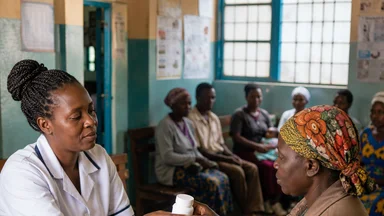
Meanwhile, women who receive a positive result by mail may not understand the implications. Health literacy is low in parts of the Mixteca, where some communities speak Mixtec or Triqui as a first language. Educational materials are often in Spanish only, and phone numbers on result letters may be out of date. The result arrives, but the link to care is missing.
The Evidence Behind Point-of-Care HPV Testing
The careHPV test, developed by Qiagen and backed by the WHO, was designed for low-resource settings. It runs on battery power, requires no running water, and delivers results in about three hours. In a landmark randomized controlled trial in India, published in The New England Journal of Medicine in 2009, a single round of HPV testing reduced cervical cancer mortality by 50% compared to unscreened controls. The key was same-day results and immediate treatment.
That trial used a screen-and-treat approach: women with a positive HPV test received cryotherapy on the same day. Loss to follow-up was negligible. By contrast, the batch-processing model used in Oaxaca loses the time advantage that makes HPV testing superior to cytology. A meta-analysis published in The Lancet Global Health in 2022 estimated that same-day screen-and-treat reduces loss-to-follow-up by roughly 70% compared to multi-visit strategies.
Yet many low- and middle-income countries, including Mexico, have adopted HPV testing without the accompanying system redesign needed for same-day results. The machines arrive, but the workflow remains unchanged. The result is a hybrid that combines the high sensitivity of molecular testing with the delays of a paper-based, centralized system.
There are reasonable counterarguments. Centralized labs can ensure quality control, batch testing reduces per-sample costs, and same-day treatment requires trained colposcopists and cryotherapy equipment at every clinic. But the evidence is clear: the mortality benefit of HPV screening depends on timely treatment. Without that, the investment in machines yields marginal returns.
Clinicians Forced to Improvise Without Results
In the absence of timely HPV results, nurses and doctors in Oaxaca fall back on older methods. Visual inspection with acetic acid (VIA) involves applying dilute vinegar to the cervix and looking for white patches that indicate abnormal cells. VIA can be done immediately, requires no lab, and costs pennies per test. But its sensitivity for high-grade lesions is only 60–70% in most studies, meaning it misses roughly one in three precancerous lesions.
“We know VIA is not as good as HPV testing, but it's what we have when the results don't come back,” says a physician at a clinic in the town of Huajuapan de León. Some clinics also offer Pap smears, but the backlog at the cytology lab exceeds eight months. By the time a Pap result arrives, the patient may have moved or developed symptoms.
Providers often rely on symptoms—bleeding, pain, discharge—to trigger referral for colposcopy. But invasive cervical cancer typically causes symptoms only after it has progressed beyond the stage where simple treatment is effective. Late-stage diagnoses are common. A 2021 study in Cancer Epidemiology found that 60% of cervical cancers in Oaxaca were diagnosed at stage III or IV, compared to 40% nationally.
The result is a system that strains the conscience of clinicians. “We send women home with a test that we know is better, but we can't tell them when they'll get the result,” the Huajuapan physician says. “Some women never come back. We assume they are fine, but we don't know.”
A Pilot Program Shows What Works Differently
In the neighboring state of Chiapas, a pilot program launched in 2022 by the Mexican NGO Salud Mesoamérica offers a contrasting model. Community health workers, known as promotoras, travel to villages with portable GeneXpert machines—the same technology used for tuberculosis and HIV testing. The machine can process an HPV test in about 90 minutes, and results are sent via SMS to the clinic and the patient's phone.
The program uses a same-day screen-and-treat protocol. Women with positive results receive cryotherapy at the mobile clinic or are referred to a nearby hospital for loop electrosurgical excision procedure (LEEP). According to program data shared with the Mexican Ministry of Health, loss-to-follow-up dropped to 8% in the first year, compared to roughly 50% in standard care.
The pilot also integrated community education. Promotoras explain the test in local languages, help women navigate the health system, and follow up with those who miss appointments. The cost per woman screened, including the machine, test cartridge, and health worker time, was roughly US$ 25—comparable to the centralized model when factoring in the cost of lost results and delayed treatment.
The Mexican government has taken notice. In late 2024, the Ministry of Health announced plans to scale the Chiapas model to Guerrero and Oaxaca, with 30 portable GeneXpert units earmarked for rural clinics. But scaling brings its own challenges: training hundreds of promotoras, maintaining the machines in remote areas, and ensuring a steady supply of test cartridges.
Equipment Alone Cannot Close the Access Gap
The story of HPV testing in Oaxaca is not unique. Similar gaps exist for other technologies—ECG machines sit unused in UK general practices, pulse oximeters gather dust in newborn units. In rural Ghana, stool cultures are collected but never processed. The common thread is that equipment alone does not change outcomes. Systems must be redesigned around the new tool.
In Oaxaca, the supply chain for test kits remains inconsistent. The careHPV machines require specific reagents that must be stored in a cold chain, but many rural clinics have intermittent electricity. Only about 30% of rural health centers in the Mixteca have reliable power 24 hours a day. Refrigerators for reagents break and are not repaired for weeks.
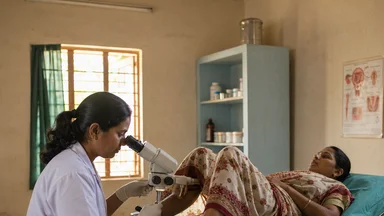
Training for colposcopy—the definitive diagnostic procedure for abnormal HPV results—requires a six-month course, and few nurses or doctors in rural areas have access to it. Without trained colposcopists, a positive HPV test leads to a referral to a city hospital hours away, adding another layer of delay. Some women choose not to go.
The result is that machines, when they work, produce results that cannot be acted upon. A 2024 report by the Mexican National Institute of Public Health found that in clinics with HPV testing machines, only 22% of women with positive results received treatment within the WHO-recommended one month. The rest waited an average of 4.2 months.
Three Fixes That Could Halve Diagnostic Delay
Decentralizing testing to municipal health centers is the most straightforward fix. Portable platforms like GeneXpert can be operated in clinics with minimal training, eliminating the need to ship samples. The Chiapas pilot shows that same-day results are feasible even in villages without electricity, using solar panels and battery backups.
Community health workers can also serve as result trackers. In the Chiapas model, promotoras maintain a paper register and a WhatsApp group with the central lab to confirm receipt of results. They call or visit women who do not return. This low-tech intervention alone reduced loss-to-follow-up by a factor of six. Similar programs in Kenya and Rwanda have shown comparable gains.
Integrating HPV vaccination with screening outreach could also improve efficiency. In Oaxaca, vaccination rates for girls aged 9–14 hover around 60%, below the national average. Offering screening to mothers when daughters are vaccinated creates a family-based approach that reduces stigma and increases uptake. A pilot in Guerrero combined vaccination days with same-day HPV testing and achieved 75% screening coverage among women aged 30–49.
The WHO's 90-70-90 targets are ambitious but achievable with focused investment. The cost of scaling portable testing and community health worker programs is modest—roughly US$ 5–10 per woman screened, according to estimates from the World Bank. The cost of doing nothing is higher: each late-stage cervical cancer case costs the Mexican health system an estimated US$ 10,000–15,000 in treatment, not counting the human toll.
Trade-Offs and Unintended Consequences
Decentralization is not without risks. Portable GeneXpert machines, while robust, require regular calibration and a steady supply of cartridges that must be stored in a controlled environment. In remote areas, cartridge stockouts can halt testing for weeks. The Chiapas pilot addressed this by maintaining a buffer stock at regional hubs, but scaling to Oaxaca's dispersed clinics may strain the logistics network. A 2023 evaluation of a similar program in rural India found that cartridge stockouts occurred in roughly 15% of months, leading to intermittent screening gaps.
Another concern is quality assurance. Centralized labs typically participate in external quality assessment programs, whereas decentralized testing may lack oversight. In a 2022 study of community-based HPV testing in Peru, false-positive rates were higher in mobile units compared to reference labs, partly due to operator variability. Mexico's Ministry of Health has proposed a remote supervision system using digital photography of test results, but implementation is still in the planning phase.
There is also the question of task shifting. Community health workers in Chiapas perform cryotherapy after a short training course, but some clinicians worry about the risk of overtreatment or complications. A 2021 systematic review in The Lancet Global Health found that task-shifting cryotherapy to nurses and health workers is safe when accompanied by clear protocols and supervision, but data from rural Mexico remain limited. Balancing access with safety will require ongoing monitoring.
Finally, the focus on HPV testing should not overshadow the need for vaccination. Even with perfect screening, women who are not vaccinated remain at risk. In Oaxaca, vaccine hesitancy and logistical barriers keep coverage below 70%. Some health advocates argue that resources spent on portable testing machines could instead be directed toward school-based vaccination campaigns. The two strategies are complementary, but trade-offs in funding and workforce allocation are inevitable.
Lessons from Other Regions
Oaxaca is not alone in facing these challenges. In the Peruvian Amazon, a program using careHPV machines in riverine communities faced similar delays: samples traveled by boat to a central lab in Iquitos, and results took an average of three months. Loss-to-follow-up exceeded 60%. A shift to same-day testing using portable GeneXpert units, supported by community health workers, reduced that figure to 12% within two years, according to a 2023 report by the Pan American Health Organization.
In Rwanda, a nationwide HPV screen-and-treat program using visual inspection with acetic acid initially achieved high coverage but struggled with low sensitivity. After introducing HPV testing with same-day cryotherapy in 2020, loss-to-follow-up dropped from 35% to 9%, and the proportion of women treated within one month rose from 40% to 85%. Rwanda's success depended on a centralized supply chain for test cartridges and a dedicated cadre of community health workers who tracked patients via a national health ID system.
These examples show that the technology itself is not the bottleneck. The common ingredients of success are: (1) same-day or next-day results, (2) community health workers who bridge the gap between clinic and home, and (3) a reliable supply chain for reagents and equipment. Oaxaca currently lacks all three, but the Chiapas pilot demonstrates that they are achievable within Mexico's health system.
For now, women in the Mixteca continue to wait. The machines are there, switched on, collecting dust between batches. The science is clear. The system is not.
This article is for informational purposes only and does not constitute medical advice. Individuals should consult a qualified healthcare provider for personal health decisions.